
Tabletop RPG Groups in Bellevue, WA
When your child needs a fun way to practice real social skills, our D&D group gives them one.
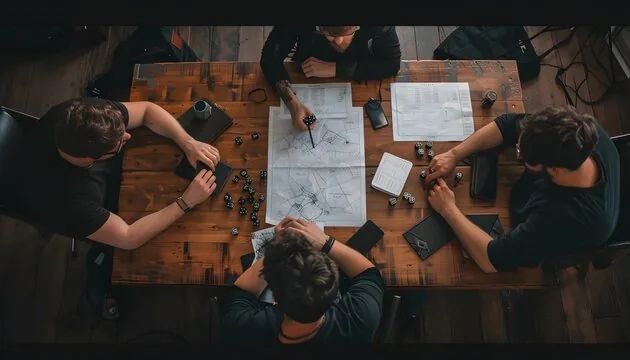
When a Tabletop RPG Group Fits Your Family
A lot of kids we work with have big ideas but struggle to share them out loud in a group. Tabletop rpg groups give them a low-pressure way to practice turn-taking, reading social cues, and working through disagreements with peers. We've seen quiet kids find their voice at the table after just a few sessions. Dungeons & Dragons [1] works so well for this because every character choice and dice roll invites conversation. Waiting until middle school or high school social pressure builds up makes these skills harder to practice. Starting now, while the group is still playful and low-stakes, tends to work better.
Quiet Kids Who Freeze in Groups
Some kids know what they want to say but freeze when it's their turn. The game gives them a script to start from.
Kids Who Struggle With Turn-Taking
Waiting your turn at a table full of dice and story is a real skill. We practice it every session.
Teens Working on Flexible Thinking
Plans change fast in a campaign. Teens learn to roll with surprises instead of shutting down.
Kids on the Autism Spectrum
Our group offers a structured, predictable format that still leaves room for creativity and connection.
Kids Who Need Confidence Building
Playing a bold character lets shy kids try out being brave, loud, or funny in a safe space.
Families Wanting Something Beyond Talk Therapy
Some kids tune out in a typical therapy chair. A game table keeps them engaged and talking anyway.
Why Bellevue Families Trust Our Tabletop RPG Group
Waiting to work on social skills only makes anxiety around groups grow. Our game master, Derik Dunning, runs this group because he's seen kids light up with a d20 in hand. These same kids wouldn't say a word in a regular session. Skilled guidance from a real instructor makes a big difference. A fun club is great. But a group that actually builds skills is even better.
What to Expect
Save Your Child a Seat at the Table
Spots in our tabletop RPG group fill up fast, especially once the school year gets going. Reach out today and we'll get your child scheduled with our Social Skills Laboratory group.
How Our Tabletop rpg groups Run
Joining is simple and starts with a quick conversation about your child.
Call or Message Us
We'll talk about your child's needs and goals. This helps us match them to the right group.
Meet the Group
Your child joins for a first session to build their character and meet the other players. Derik guides the whole table.
Play and Grow Weekly
Each week builds on the last. We track real growth in confidence, turn-taking, and flexible thinking as the campaign unfolds.
Tabletop rpg groups Cost in Bellevue
Cost depends on group size, session length, and whether your child joins in person or virtually. We keep pricing upfront so there are no surprises after the first session.
Tabletop rpg groups Questions
Here are answers to what Bellevue families ask us most.
-
How much does it cost to join?
Cost usually falls between $130 and $180 per session, depending on format. We'll go over exact numbers before your child joins.
-
How long does each session last?
Most sessions run about 60 to 90 minutes. That's long enough for real story progress but short enough to hold attention. We adjust length based on the group's age and needs.
-
Can I run a game night like this myself at home?
You can play D&D at home, but this group is different. Derik guides the table with specific social goals in mind for each child. That kind of targeted coaching is hard to replicate without training.
-
How is this different from Board game groups?
Board game groups focus on shorter games with clear rules and quick rounds. Tabletop rpg groups use an ongoing story, which builds deeper skills like flexible thinking and long-term problem solving. Many kids enjoy both.
-
How soon should we sign up?
Groups fill up fast around September and January, when school schedules settle in. If your child is struggling socially now, don't wait for the next semester. Earlier practice tends to build confidence faster.
-
What signs mean my child would benefit from this group?
Watch for kids who avoid group activities, struggle to take turns, or shut down during disagreements. Trouble reading social cues or making friends are also common signs. Our group targets all of these directly.
-
Does my child need to know how to play D&D already?
No experience is needed at all. Derik teaches the basics as part of the first session. Most kids pick up the rules quickly once they're having fun with the group.